Psychedelic Baby Q and A

This is an interesting Q and A by Klemen Breznikar of Psychedelic Baby answered by Ricky Gardiner re Beggars Opera Progressive Rock Band. It contains a unique gig list PDF download, which has been put together over the years by the late Ian Harvie Beggars Opera roadie and various Beggars Opera fans.
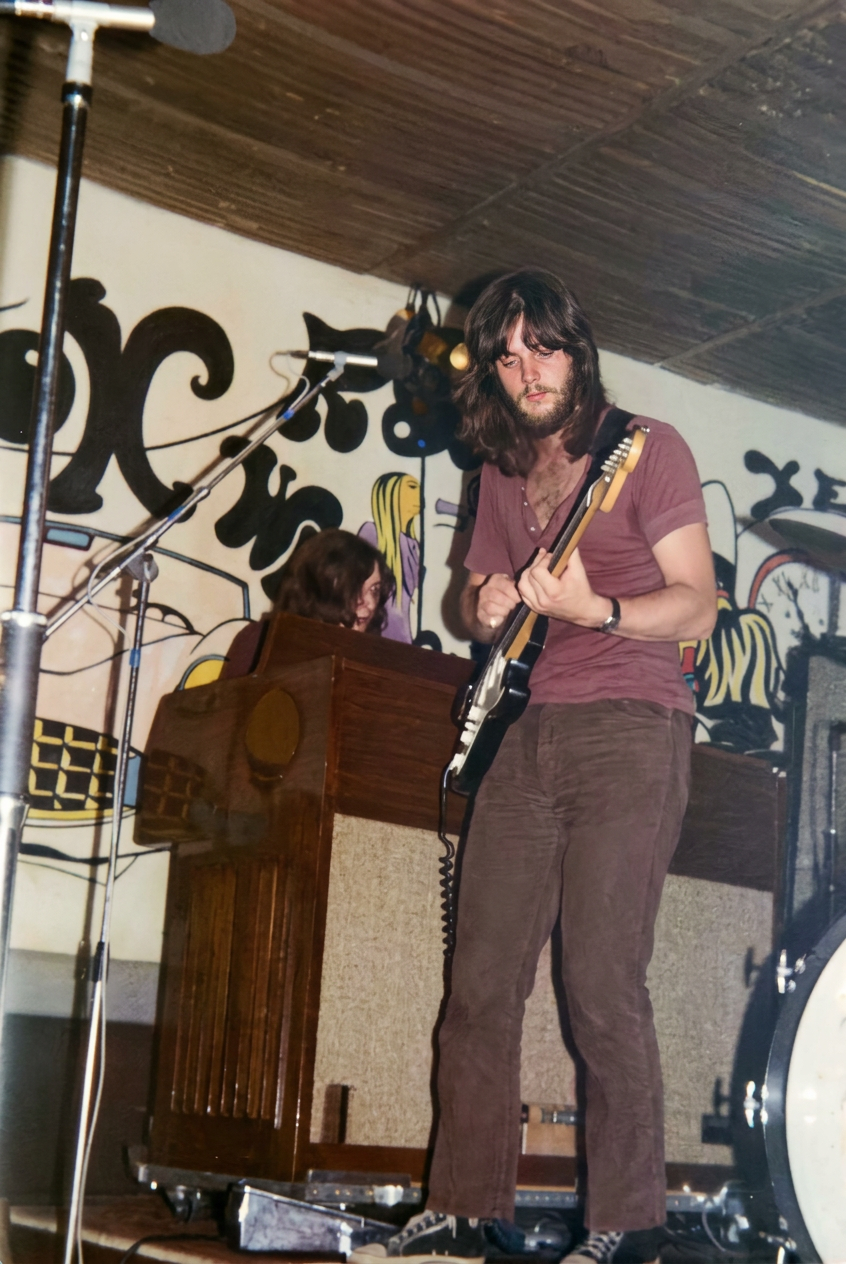
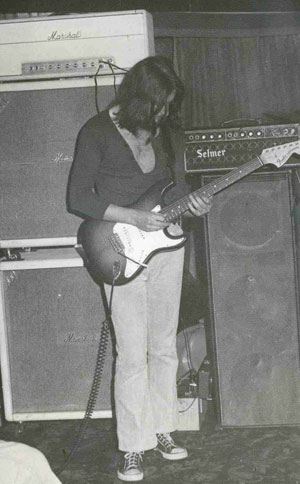
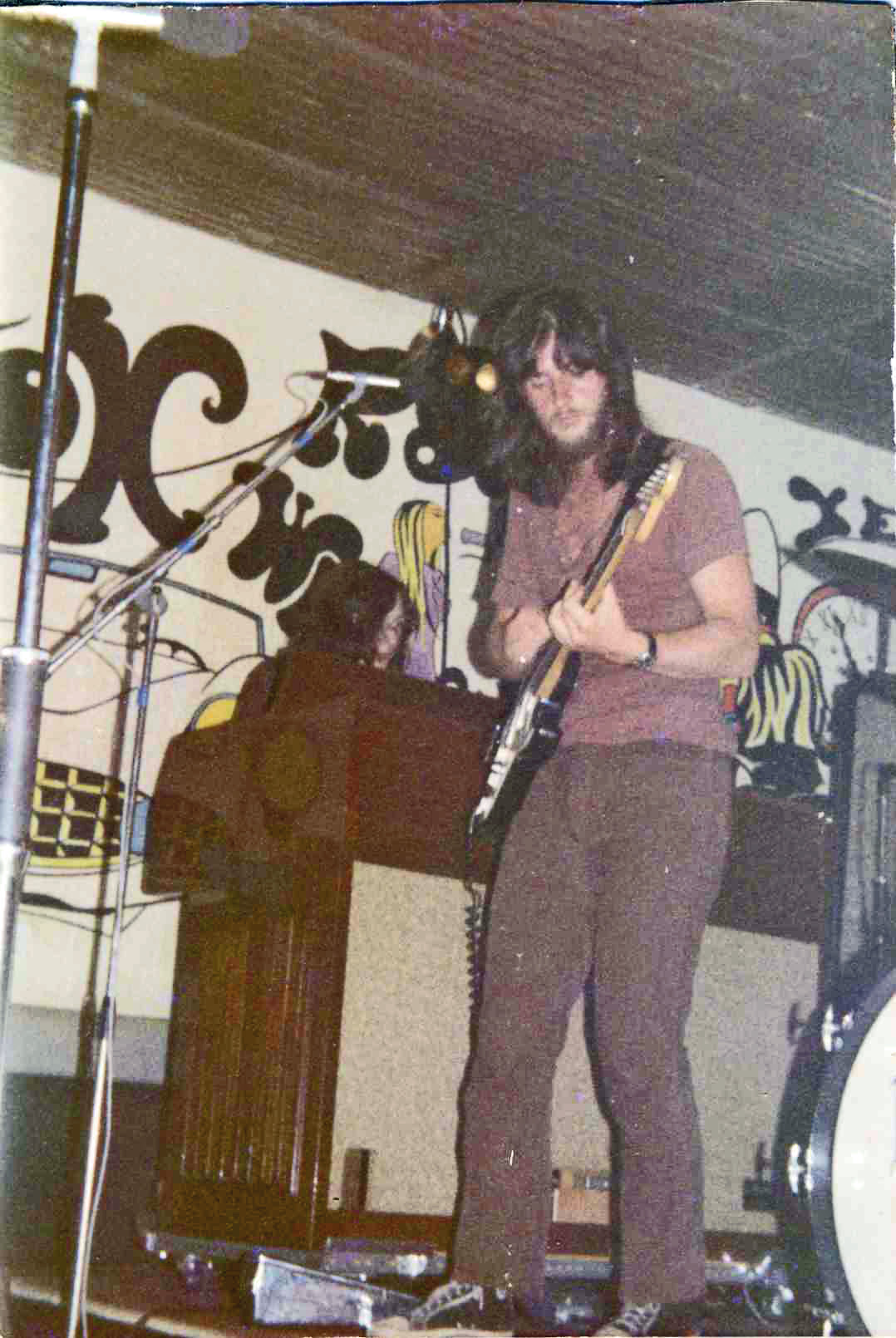
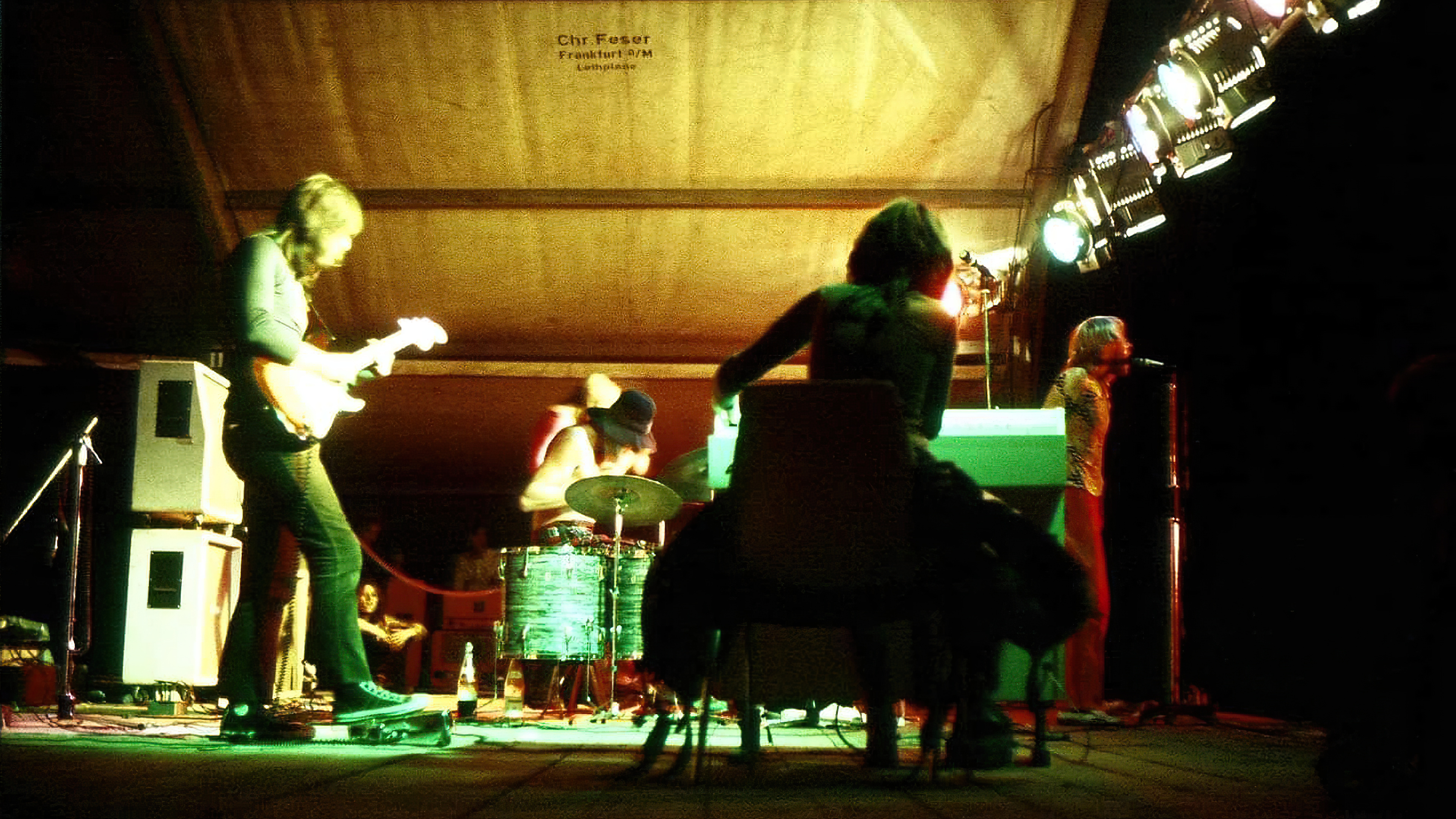
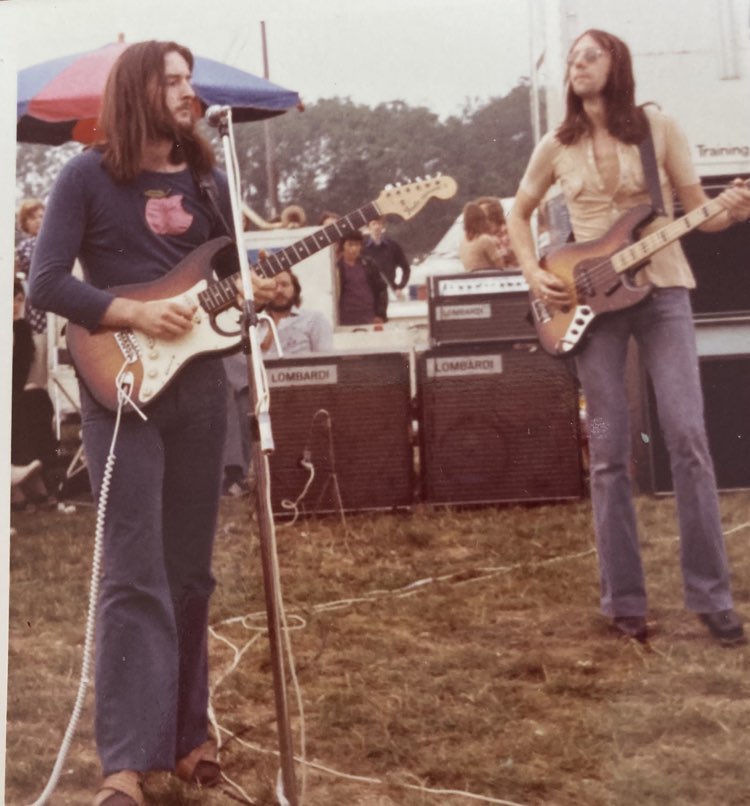
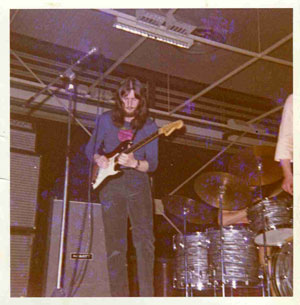
Long-haired musician playing electric guitar beside a wooden piano on a decorated stage

Q. Thank you very much for agreeing to this interview. I have been a huge fan of your band for a very long time. I would like to know about the beginning of the band. Do you perhaps remember your first session with the band?

Beggars Opera evolved from the school band The System. Our first session was when we auditioned drummers and found Raymond Wilson.

Q. Were you in any other bands before forming Beggar’s Opera?

Virginia Scott and Ricky Gardiner met in the Vostoks in the early 60’s. Ricky Gardiner went on to play in the King Bees and The System. ( Martin Griffiths and Marshall Erskine were also in the System)

Q. Why the name Beggar’s Opera?

Beggars Opera was a name chosen randomly from a dictionary.

Q In 1970 you released your first LP called Act One. What are your strongest memories from the recording sessions and the production of the LP? Can you also tell me about the songwriting? I would also like to know about the cover artwork…

The artwork for Beggars Opera Act One was by the famous artist /photographer Marcus Keef, who invented many Vertigo album covers. Act One album was recorded at De Lane Lea Studios and engineered by Martin Birch. It was a recording of part of our live act at the time. We had very little time in the studio to record this. The songwriting was done by committee.

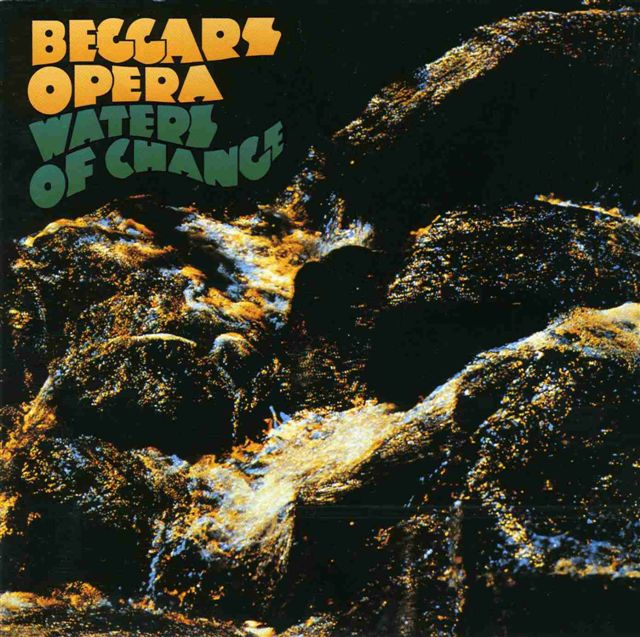
Q. Waters of Change is your second LP released in 1971. I think its even better than your debut, this one features melotron, which I really like. What can you tell me about this LP?

Waters if Change was musically more interesting. The mellotron opened out the sound . Our stage presence, with the 2 keyboard stations, was more impressive. Time Machine was the first piece to be initiated from the Mellotron.

Q Pathfinder is your third album. Again I have to say it’s an excellent LP. It was released in 1972. Then you released Get Your Dog Off Me in 1973, which is a bit different in my opinion. For the next one called Sagittary you went to Germany to record it. What can you tell me about this releases. I would like to hear a story how did you record it etc.

Pathfinder was also interesting musically, as two musical teams emerged. 1/ Virginia Scott/ Ricky Gardiner original songs, words and guitar harmony compositions, and Alan Park / Martin Griffiths orchestral arrangements and poetry. There was always plenty of material to choose from. Martin Griffiths then left the band. Pete Scott ( ex Savoy Brown) took over on vocals, quickly followed by Linnie Paterson ( ex Writing on the Wall ). Basically Beggars Opera adjusted to their different singing styles. But in Get Your Dog Off Me though, Alan Park’s arrangement of Classical Gas and Ricky Gardiner ‘s Requiem are pure Beggars Opera classics. This album was recorded at Phonogram Studios London. The engineer was Roger Wake.

Alan Park / Martin Griffiths orchestral arrangements and poetry. There was always plenty of material to choose from. Martin Griffiths then left the band. Pete Scott ( ex Savoy Brown) took over on vocals, quickly followed by Linnie Paterson ( ex Writing on the Wall ). Basically Beggars Opera adjusted to their different singing styles. But in Get Your Dog Off Me though, Alan Park’s arrangement of Classical Gas and Ricky Gardiner ‘s Requiem are pure Beggars Opera classics. This album was recorded at Phonogram Studios London. The engineer was Roger Wake.

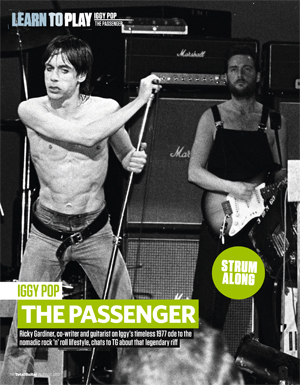
In the end though our 4 album deal with Vertigo records was complete and Beggars Opera seemed to drift apart. Virginia Scott and Ricky Gardiner then worked on the Diana Demon concept project with a view to more live work.Meanwhile, Jupiter Records Germany / British Lion Music asked Ricky Gardiner to produce to 2 Beggars Opera albums. Ricky Gardiner asked Pete Scott/ Vocals and Virginia Scott/ Keys and drummers Mike Travis (ex Gilgamesh) and the legendary Clem Cattini respectively for the Sagittary and Beggars Can’t be Choosers sessions. These two albums were recorded at TW Studios Fulham Palace Rd, London and engineered by Alan Winstanley/ produced by Ricky Gardiner. The songs for Sagittary were written by the Virginia Scott/ Colin McFarlane collaboration/ (Diana Demon Show project ) and Ricky Gardiner wrote the songs for Beggars Can’t be Choosers. The final track Death on Beggars Can’t be Choosers is very expressive of the feeling at the time. I think we really sensed we were at the end of one phase in our musical lives and at the beginning of another. This was very quickly to prove to be true as I was soon to be playing and recording David Bowie and Iggy Pop!

Q. How was touring going for you in that period? I would like to hear an interesting story from some shows you played…

See Gig List…

From 1969/1974 Beggars Opera toured incessantly (UK and Europe see above) . Perhaps one of the many exciting a successful gigs was the Great British Rock Meeting at Speyer in Germany in 1971. A wonderful show, amazing bands and HUGE crowds. There were 120,000 people there. But backstage ? … very few facilities ! Festivals in those days were all about Love and Peace !

Q. Well in the 80’s you released only Life Line album. What happened next?

Gordon Sellar , Alan Park and Linnie Paterson and others worked on Lifeline for Vertigo Germany.

Q Next?

Well – Gordon Sellar worked for Alex Harvey Band. Alan Park worked as musical director to Cliff Richards. Alan Park worked as musical director to Cliff Richards.

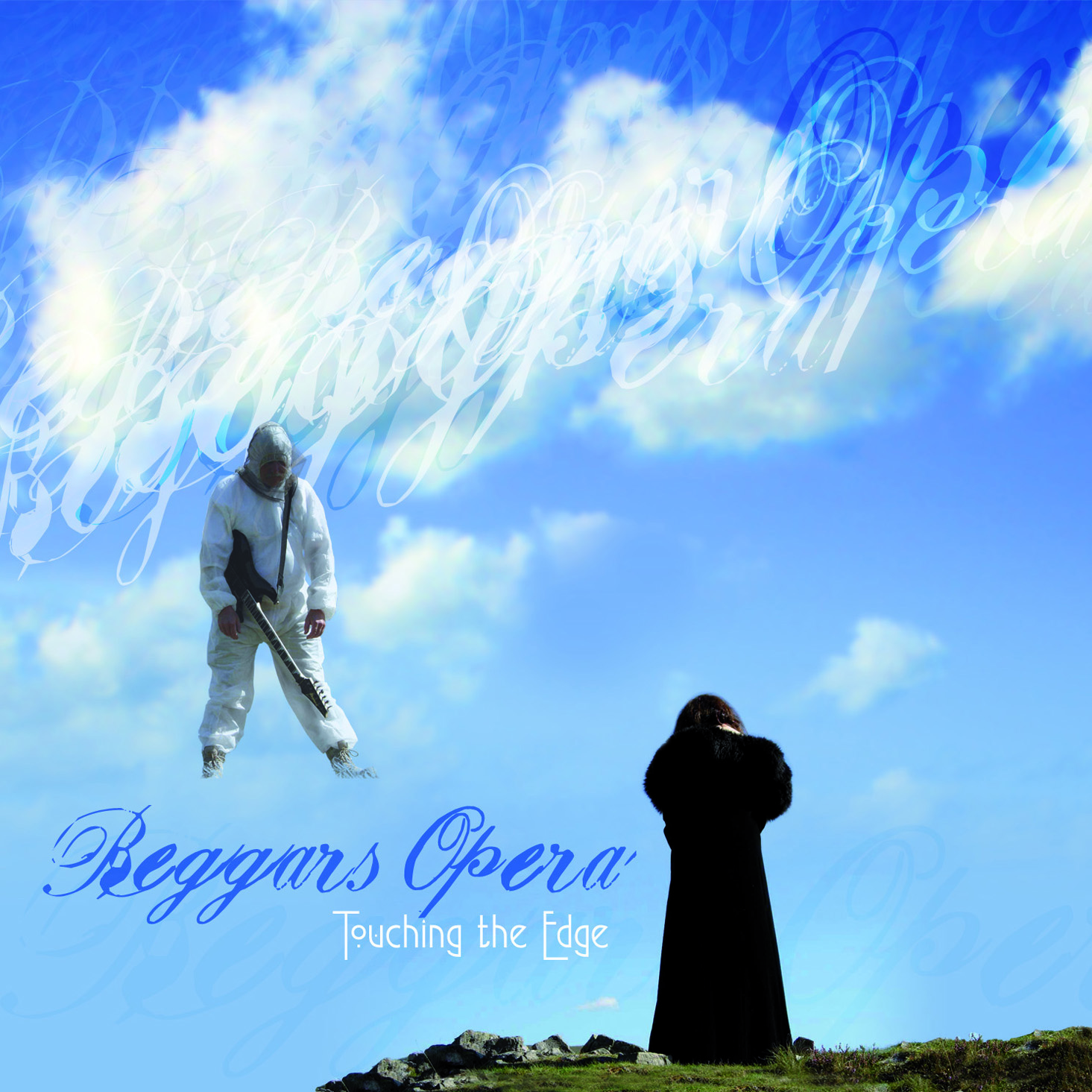
Q In 1996 The Final Curtain album was released. After that you released couple of albums. Close to My Heart in 2007, Touching the Edge in 2008, All Tomorrows Thinking in 2010. Suddenly Ahead Ahead in 2010 and also Lose a Life. What can you tell me about your latest albums?

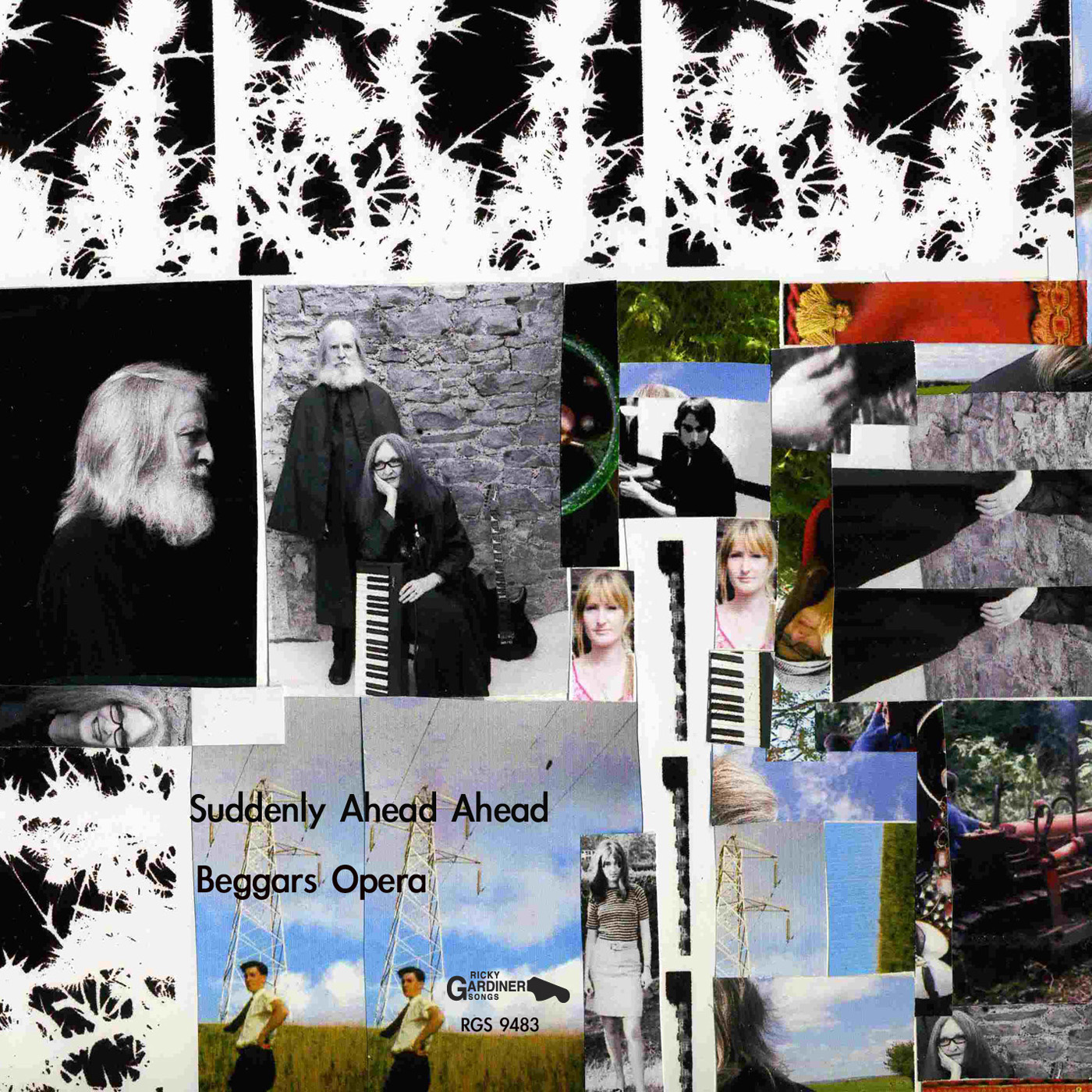
2 The Final Curtain CD is not a new Beggars Opera album. The tracks are modified from out-takes of the previous Lifeline sessions. The NEW Beggars Opera albums Close to My Heart, Touching the Edge, Suddenly Ahead Ahead and All Tomorrows Thinking are NEW, with all new material from the Virginia Scott / Ricky Gardiner team. Tom Gardiner plays drums on all these releases. The above are all released by RGS and now we are very happy that Close to My Heart and Lose a Life are now also available from Repertoire Records Germany. Lose a Life the nano opera composed solely by Virginia Scott, is the story of an Electrosensitive, based on Ricky Gardiner’s experience of this condition.

Q .What are some future plans for you?

A Beggars Opera album ‘Promise in Motion’ will be released later this year by RGS.

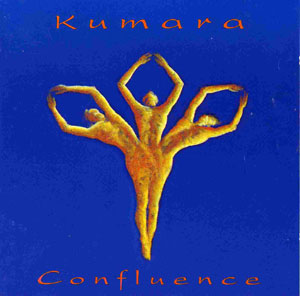
Q I would like to hear a few words about side project called Kumara.

Kumara was a joining of more experimental energies, music built from keyboard sound-washes. This is experimental work as in Beggars Opera alt. Ricky Gardiner The Flood where here the sound-washes are from the guitar/ tape https://www.youtube.com/watch?v=ySOiVj-00PE Virginia Scott and Ricky Gardiner were joined by Trevor Stainsby, who provided rhythm and synth tracks.

1. How do you feel about the fact, that young people from other parts of the world listen and enjoy your music (I’m only 21) ?

It is absolutely great that young ears are appreciating our work!

Q  Thank you very much for your time and effort. Would you like to add anything?

You can also catch up with Beggars Opera Virginia Scott Tom Gardiner on their websites

Love and Peace 🙂
Answers re David Bowie LOW

Here is a set of answers to questions sent to Ricky Gardiner re the recording of the David Bowie Low album by French journalist Jerome Solingy. Sadly I do not have the questions but I thought there are a few interesting points in the answers for those who are interested.

I am not sure but the interview may have been related to Jerome’s book about David Bowie https://www.davidbowienews.com/2023/06/david-bowie-rainbowman-1967-1980-by-jerome-soling-published-in-english-this-september/

Answers are printed as found in Ricky’s papers.

Mr. Soligny,

                   My apologies for the tardy response.

1/. Tony was involved (although I have no evidence that he, alone, was responsible for my appearance on the ‘LOW’ album). 

I knew nothing of David’s music at the time so I was neither a big or small fan of his music.

2/. My memories of the ‘LOW’ album mostly involve the other musicians although I do remember David doing Marc Bolan impressions and his, apparently spontaneous, rendering of the vocal to ‘SOUND AND VISION’. It was most impressive!

For me, the recording was completely conventional…It was in the mixing that anything else happened.

I found David easy to work with and yes I enjoyed being part of the project.

3/. Yes. I then toured with Iggy and David. I understand that memory is a construct. However, I remember the two little boys (for such they were) running up the hotel corridor and knocking on my door and asking if my wife, Virginia, was coming out to play? I do not think they were joking.

I remember Hunt and myself laying back on a track so much that it, imperceptibly, slowed down. I do not remember which track it was … or which gig.

4/. I seem to remember that HANSA could be rendered into different spaces by the judicious arrangement of the curtains. It was/is a large space.

Berlin, was very strange then. It had been the capitol of Germany but was now an island of, so called, plenty surrounded by the grey decay of East Germany with colourless posters advertising holidays in Poland…very strange!

Writing with the two boys was easy and plain sailing. David had a small upright piano and I had my unplugged strat and Iggy had a recording device that was beyond description. (I have since used cassette devices to great advantage). 

Working with the boys I took as much space as I needed … I am not greedy.

5/. …

6/. My favourite David album is OUTSIDE.

RICKY 

Q/A Berlin Years David Bowie Iggy Pop/ Ricky Gardiner

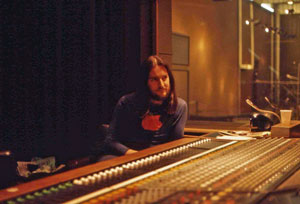
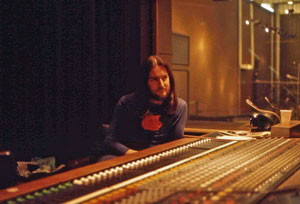
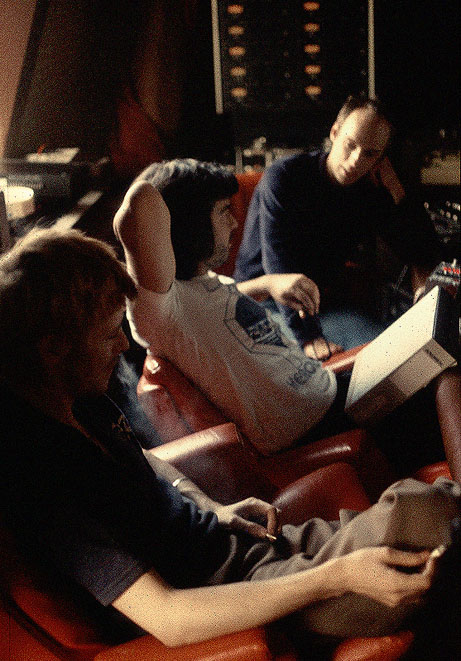
Ricky Gardiner’s photo of the studio desk Chateau D’Herouville including Bowie Eno and Visconti/ Low sessions

Q/A by Simon Goddard of Q magazine

Q BOWIE/IGGY BERLIN YEARS Q&A

RICKY GARDINER

1. Having worked with both, what do you see as the main differences between David and Iggy, in terms of personality and also in terms of what they’re like to work with/how they create their music? 

When eating, Iggy will be interested in the food and give it his full attention, David will know it is in front of him, but will probably be thinking of something else.

When working, Iggy will experience it , David will perform it.

Iggy will use references if he must, David of necessity.

Iggy expresses himself, David expresses his time.

Iggy imagines, David observes.

Both are talented and both work hard.


2. As somebody who worked closely with both, what do you think David and Iggy had in common that formulated their friendship; what was the mutual attraction from your perspective? 

Whilst they share certain qualities of energy, the transformation process conditioning the energies in each one results in quite different forces being expressed. Thus, that which unites them is both mutual and complimentary.

It might be said that if they occupied the same body, a most interesting parade of works may appear.

However, since they are not so combined , they each strive to discover the secret of the other.


3. Berlin in 1976 is always painted out to be this strange mix of East European austerity (The Wall) and Western decadence – the nightclubs, the drag bars and the fact the city was supposedly the heroin capital of Europe at the time.
What are your memories of the city – the culture, the nightlife and the looming shadow of the wall itself. Any specific anecdotes that sum up your experience of Berlin? 

Isn’t it a most interesting thing that those who go and look for heroin, seem to find it?

( I have spent quite a lot of time in Berlin, and have never found it )

My experience of Berlin was of a city culturally and politically confused by the traumatic shattering of the German personality as a result of WW2.

To expect normative behaviour from the inhabitants of that stricken island edifice, would have been unrealistic.

None the less, the human spirit will not be stifled indefinitely, as we have seen , and so I presume a lot of healing will have taken place since the political rearrangement.

Today we talk of Berlin as one place. Then it was two. In West Berlin there was no East European austerity, Yes there was Western decadence but why look for that? There was and is much beauty, fine architecture, parklands and lakes. The so called decadence was very much a minority and only of interest to some adolescents, post adolescents, those with indulgent appetites and deviants. Unfortunately, most cities suffer this illusionary blight , but it is temporary, and once society dispenses with fraudulent quackery masquerading as  glamorous living, this destructive virus will be brought under control.

4. David had gone to Europe to escape LA because he was in a bad state; his cocaine abuse is well documented and he was still obsessed with numerology and occult matters. When you first met David and began recording Low, was there any evidence of mental imbalance/strange obsessions? 

David told me that L.A. was difficult. I assume from this that he was impressionable and perhaps susceptible to the intake of that which is fashionable yet poisonous.

It must be remembered that the life of an artist is complex.

That which confers the sensitivity which, when externalised, becomes art , may also subtly erode the boundaries between useful energies and destructive forces. When negatively engaged, the destructive forces  can hold sway, leading to the personality being manipulated to the detriment of healthful productivity.

However, those same energies, when rightly channelled can,  and sometimes do, lead to inspired works.

Occult matters must be respected and should never be approached when intoxicated.

I never saw any evidence of mental imbalance but if there was , I would blame the toxins first, of which I saw no evidence.


5. How did you handle Brian Eno’s ‘Oblique Strategies’ method of working; apparently Carlos Alomar found it frustrating at times and even David has later admitted that he and Eno subjected the band to “art pranks” for their own amusement? 

I must say, I rather liked Brian and found him interesting to talk to.

I think oblique strategies must have been reserved for side two of the album, because when recording with the band and during subsequent overdubs, it was just like recording of any other album.

I know nothing of art pranks although I know David can be playful.


6. Some famous incidents at the Chateau when making Low – that David and Tony Visconti came down with food poisoning, and that a French journalist had infiltrated the Chateau posing as a member of staff. What do you remember about these incidents, and the making of Low in general? 

I missed the food poisoning incident. Tony (Visconti ) told me all about it. Complaint was made and things improved. I enjoyed the food and the conversation which was very civilised. I thought Iggy did rather well sticking to his macrobiotic rice !

As to the French journalist, I would not have noticed nor would I have given two hoots. This was not the only time there were rumours about such matters, Perhaps it was a management ruse to encourage THE BOYS  to keep  SCHTUM . Perhaps not?


7. Was Low a team effort – were Dennis, Carlos and yourself all contributing or was it more a case of following David, Brian and Tony’s lead?

David was MC during run throughs which were faithfully recorded by Tony. I remember Tony was not particularly pleased with the desk but it seemed to be sorted out eventually.


8. According to biographers, David’s estranged wife, Angie, paid a visit to the studio with her new boyfriend and caused considerable friction. Were you there at the time?

I was there and I already knew Angela and her ‘new boyfriend’.

Certainly it was a difficult time for the pair of them, but I  do not recall the new boyfriend being present. I felt sorry for Angie. She was bright and resourceful and I believe a great help to David, but it was not to last.


9. You played on The Idiot tour, where David attempted a degree of anonymity by playing keyboards in the background. What was it like being around such a huge star on stage who was deliberately shunning the limelight. And any memories stick out from that tour?

David playing keyboards on the ‘Idiot’ tour gave Iggy a certain challenge to keep the eyes of the audience upon himself and not upon his more famous keyboard player, David’s challenge was to remain uncompetitive. 

I think they succeeded to a degree not fully expected by some.

Yes, David was a big star but, you know, we were just a bunch of musicians playing together and with Hunt and Tony (Sales) in the band, you could NOT take things like that seriously. Those were great boys and they were good fun.


10. Lust For Life was a far more conventional “rock” record than The Idiot. Iggy was now on a health kick, started weight lifting and had a renewed and genuine “lust for life”. What was it like witnessing that transition, from drug casualty to reborn/new Iggy? 

When I met Iggy he had already made the transition. He was fit , healthy and enthusiastic. During all my time recording Low, Lust for Life and throughout the ‘Idiot’ tour. I never saw Iggy the worse for wear. Not once. Maybe I am just lucky!


11. How does it feel being part of albums which literally changed the face of music for the next 30 years thereafter, from Joy Division to Radiohead? 

People tell me these albums are important but when you are making them you can never foretell.

Virginia Scott, who was also present during the recording of ‘Lust for Life’ insisted that the ‘Passenger’ would be a successful song.

However, as we know, the record company initially turned down ‘Low’ and ‘Lust for Life’ took seven years to start moving.

Am I proud of my involvement?

Of course.

The answers to these question are the copyright of Ricky Gardiner Songs

This message was typed by Virasco from Ricky Gardiner’s notes


ricky gardiner <ricky.gardiner@virgin.net> wrote: 

Dear Simon, 

Thank you for your e mail and your interview request. 

I would be delighted to answer any questions you may have. 

Please submit them via e mail and I shall reply,and we will take it from there. 

Cheers, 

Ricky 

from Ricky Gardiner’s notes. This message was typed by Virasco

—– Original Message —– 

From: Simon Goddard 

To: ricky.gardiner@virgin.net 

Sent: Wednesday, November 29, 2006 12:16 PM 

Subject: Q Mag Request: Ricky Gardiner 

FAO RICKY GARDINER 

RE: Q MAGAZINE 

Early 2007 Q Magazine (the UK’s leading music monthly) will be celebrating the 30th anniversary of David Bowie’s albums Low and Heroes. Three decades on, these albums continue to inspire new music and remain among the most frequently cited and most influential records of the last 50 years. 


In commemorating this anniversary, Q have asked me to write a feature on the making of Low and Heroes. It would be fantastic to speak to Ricky Gardiner about his work on those records (as well as Iggy Pop’s) and to place them in a fresh perspective with new quotes.

If Ricky is available for telephone interview that would be greatly appreciated. 


My contact details are below. My copy deadline is January 4 so ideally if Ricky is available the interview would have to happen prior to Christmas (next week?).

Hope to hear from you soon.

Simon Goddard
Q Magazine 

Beggars Opera rough guide 1969/ 2022

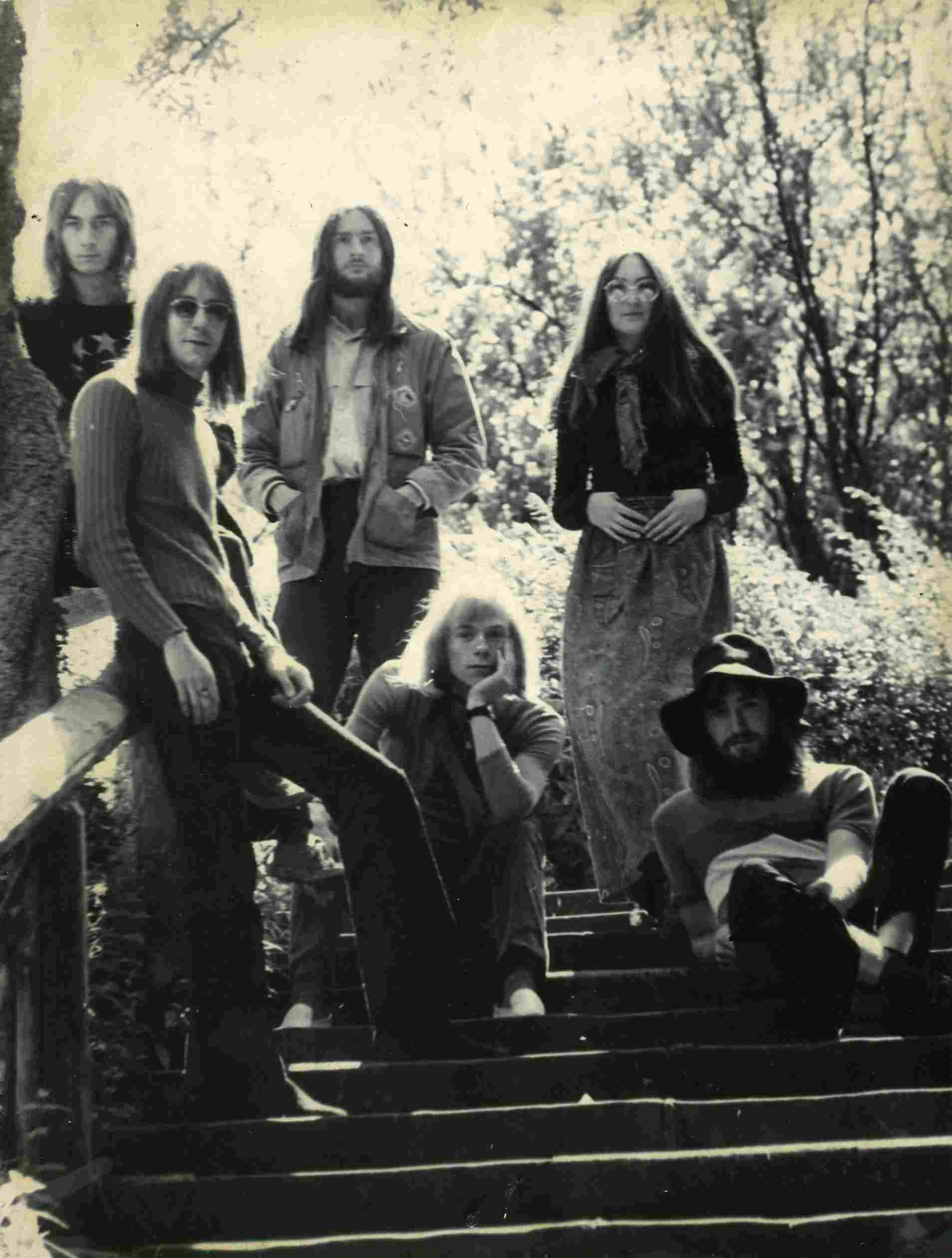
Welcome to a rough guide to Beggars Opera the 9th and final line-up (see below) and the creative process involved in the production of the 10 Beggars Opera Progressive Rock albums, released by RGS (Ricky Gardiner Songs )

In 1996, Ricky Gardiner fell ill with SHINGLES and then developed an extremely rare condition known as Electrical Sensitivity. As a result he was unable to do live performance or work on any of the extended symphonic guitar pieces he was creating at the time. His studio had to be totally remapped and was in fact spilt in two working units. One for Ricky and one for Virginia. 

Song structures, back tracks and lyrics were created by Virginia Scott and then she recorded vocals and keyboards in her studio . These tracks were then imported into Ricky’s studio and guitars were added. Tom Gardiner drummer sent tracks remotely from his pod and then Ricky produced a mix.

Since Ricky passed away in 2022 it has been very difficult to listen to these tracks, but now we are enjoying Ricky’s incredibly melodically beautiful guitar playing again.


Beggars Opera line-ups from 1970- 2022 

1/ Ricky Gardiner, Alan Park,  Martin Griffiths, Marshall  Erskine & Ray Wilson

2/ Ricky Gardiner, Alan Park,  Martin Griffiths, Gordon Sellar, Virginia Scott & Ray Wilson 

3/ Ricky Gardiner, Alan Park, Pete Scott, Gordon Sellar & Ray Wilson

4/ Ricky Gardiner, Alan Park, Linnie Patterson, Gordon Sellar & Ray Wilson

5/ Ricky Gardiner, Alan Park, Linnie Patterson, Gordon Sellar & Colin Fairley

6/ Ricky Gardiner, Virginia  Scott, Pete Scott & Mike Travis

7/ Ricky Gardiner, Virginia Scott, Pete Scott & Clem Cattini

8/ Alan Park, Gordon Sellar,  Linnie  Paterson, John Hollywood & Colin Pattenden

9/ Ricky Gardiner, Virginia Scott & Tom Gardiner